
Diwali, also known as Deepavali, is one of the most important and widely celebrated festivals in India. Known as the Festival of Lights, Diwali symbolizes the victory of light over darkness, good over evil, knowledge over ignorance, and hope over despair. The festival brings families, friends, and communities together through prayers, decorations, sweets, gifts, and celebrations.
Diwali holds great religious and cultural significance for Hindus and is also celebrated by several other communities, including Jains, Sikhs, and some Buddhists, each with their own historical and spiritual associations with the festival.
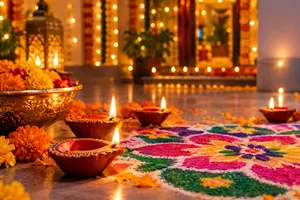
During Diwali, homes and public places are decorated with earthen lamps called diyas, colorful rangoli designs, flowers, and decorative lights. People wear new clothes, prepare traditional dishes, exchange gifts, worship Goddess Lakshmi and Lord Ganesha, and seek happiness, prosperity, and peace for the coming year.
When Is Diwali in 2026?
Diwali is celebrated on Amavasya, or the new moon day, of the Hindu lunar month of Kartik. Its Gregorian calendar date changes every year.
In 2026, the main Diwali celebration is expected to fall on Sunday, 8 November 2026. The exact timing of Lakshmi Puja depends on the local Panchang, the location, and the prescribed auspicious muhurat.
Devotees should consult a reliable local Hindu calendar or Panchang for the precise puja timings in their city.
What Is the Meaning of Diwali?
The word Deepavali comes from Sanskrit and is commonly understood to mean a row or series of lamps. The name reflects the tradition of lighting diyas to illuminate homes, temples, streets, and courtyards.
Diwali represents several important values:
Victory of good over evil: Good ultimately triumphs over wrongdoing and injustice.
Light over darkness: Light represents hope, wisdom, and spiritual awareness.
Knowledge over ignorance: The festival encourages people to seek truth and understanding.
Prosperity and well-being: Families pray for wealth, success, health, and happiness.
Family unity: People reunite with loved ones and strengthen relationships.
New beginnings: The festival is associated with fresh starts, forgiveness, and positive intentions.
Although customs differ across regions, the central message of Diwali remains one of hope, goodness, generosity, and renewal.
History and Mythological Significance of Diwali
Diwali has several stories and traditions associated with it. Its meaning varies among religious communities and regions of India.
1. Lord Rama's Return to Ayodhya
One of the best-known stories connected with Diwali comes from the Hindu epic Ramayana.
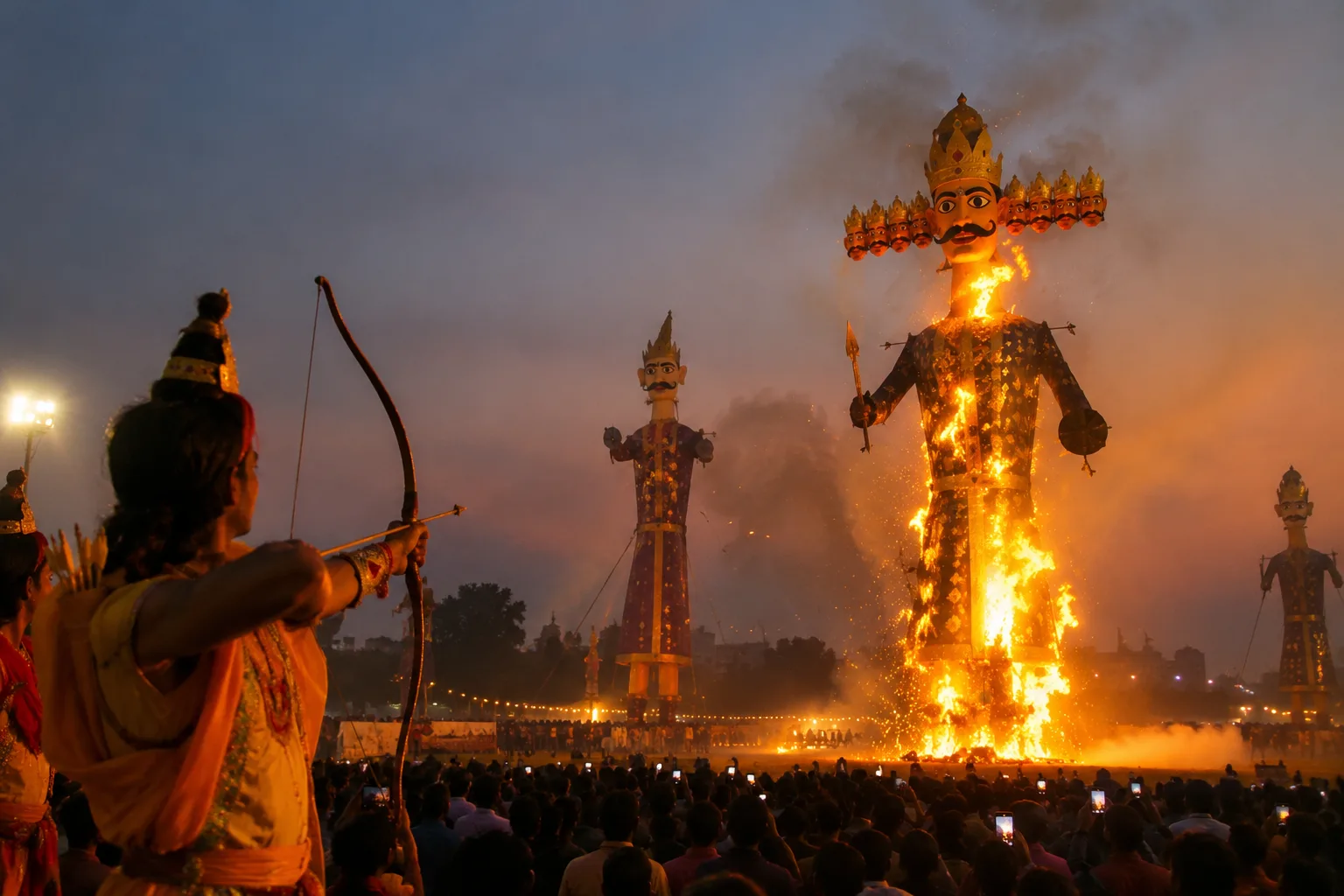
According to the popular tradition, Lord Rama returned to Ayodhya with Goddess Sita and his brother Lakshmana after spending fourteen years in exile and defeating the demon king Ravana. The people of Ayodhya welcomed them by lighting rows of earthen lamps, celebrating the return of their beloved prince and the restoration of righteousness.
This story is one of the principal explanations for lighting diyas during Diwali. It reminds people that truth, courage, loyalty, and righteousness can overcome evil.
2. Goddess Lakshmi and the Worship of Prosperity
Goddess Lakshmi is associated with wealth, fortune, abundance, and prosperity. On the main Diwali evening, many Hindu families perform Lakshmi Puja to seek her blessings for their homes and businesses.
Lord Ganesha is also worshipped because he is traditionally associated with wisdom, auspicious beginnings, and the removal of obstacles.
The ritual encourages devotees to welcome prosperity while remembering the importance of responsibility, honesty, gratitude, and generosity.
3. Lord Krishna and the Defeat of Narakasura
In several parts of India, particularly in traditions associated with South India, Diwali celebrations are connected with the story of Lord Krishna's defeat of the demon Narakasura.
According to this tradition, Krishna defeated Narakasura and freed those who had been held captive. The victory symbolizes liberation from oppression and the triumph of good over evil.
The celebration associated with Naraka Chaturdashi is especially important in these regions.
4. Diwali in Jainism
For Jains, Diwali commemorates the nirvana, or liberation, of Lord Mahavira, the twenty-fourth Tirthankara, according to Jain tradition.
The festival is an occasion for prayer, reflection, spiritual discipline, and remembering Mahavira's teachings. For Jain communities, Diwali has a distinct religious significance beyond the popular Hindu narratives.
5. Diwali in Sikhism
Diwali coincides with the observance of Bandi Chhor Divas by Sikhs. This occasion commemorates Guru Hargobind Sahib's release from imprisonment and his return to Amritsar, together with the traditional account of the release of other imprisoned rulers.
Sikh communities celebrate the occasion with prayers, illuminated gurdwaras, and gatherings. Although Diwali and Bandi Chhor Divas have distinct religious meanings, their dates often coincide.
The Five Days of Diwali
Diwali is commonly celebrated over five days. The names, rituals, and emphasis of each day can vary by region and community.
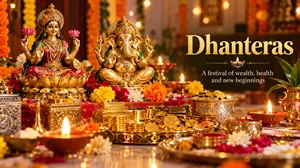
Day 1: Dhanteras
Dhanteras marks the beginning of the traditional Diwali festivities. The day is associated with wealth, prosperity, and well-being.
Many families clean and decorate their homes, light lamps, and purchase useful household items, utensils, gold, silver, or other goods according to their customs and budgets.
Dhanteras is also associated with Dhanvantari, who is revered in Hindu tradition in connection with Ayurveda and healing. In some traditions, people light a lamp in remembrance of Yama, the deity associated with death.
The broader message is to value health, prosperity, and responsible preparation for the future.
Day 2: Naraka Chaturdashi or Choti Diwali
Naraka Chaturdashi is often called Choti Diwali or the smaller Diwali. It is associated in many traditions with the defeat of Narakasura.
Customs may include an early morning bath, lighting lamps, decorating the home, and preparing festive food. In some regions, the day is celebrated with particular enthusiasm and may carry more importance than the main Diwali evening.
The festival teaches that negative forces can be overcome through courage, determination, and righteousness.
Day 3: Lakshmi Puja and Main Diwali
The third day is widely regarded as the principal Diwali celebration in many parts of India.
Families clean and decorate their homes, arrange rangoli at entrances, light diyas, prepare sweets, and gather for Lakshmi Puja. Lord Ganesha is commonly worshipped alongside Goddess Lakshmi.
The puja usually involves placing the deities' images or idols in a clean space, offering flowers and sweets, lighting lamps and incense, and reciting prayers or mantras according to family tradition.
After the puja, families exchange greetings and gifts, enjoy festive meals, and spend time together. Some communities also celebrate with fireworks, although environmentally conscious celebrations increasingly encourage quieter and less polluting alternatives.
Day 4: Govardhan Puja and Annakut
The fourth day is associated with Govardhan Puja in many Hindu traditions, especially among devotees of Lord Krishna.
According to the traditional story, Lord Krishna lifted Govardhan Hill to protect the people of Vrindavan from heavy rains sent by Indra. The story is commonly understood as a reminder of humility, faith, community protection, and respect for nature.
In temples, especially those associated with Krishna worship, devotees prepare Annakut, meaning a mountain of food offerings. Different dishes are offered to the deity and later distributed as prasad.
The day is also observed as the beginning of the new year in certain Hindu business and regional calendars.
Day 5: Bhai Dooj
Bhai Dooj, also known by names such as Bhai Tika and Bhau Beej in different regions, celebrates the relationship between brothers and sisters.
Sisters traditionally apply a tilak to their brothers' foreheads, offer prayers for their well-being, and share sweets or meals with them. Brothers may give gifts and express their affection and support.
The rituals differ across families and regions, but the central message is love, mutual respect, and lifelong family bonds.
Importance of Lakshmi Puja During Diwali
Lakshmi Puja is one of the most significant rituals of the main Diwali evening. Devotees pray to Goddess Lakshmi for prosperity, abundance, peace, and well-being.
Lord Ganesha is generally worshipped alongside Goddess Lakshmi. His presence represents wisdom, auspicious beginnings, and the removal of obstacles.
Common Lakshmi Puja Rituals
Cleaning the home: Families traditionally clean their homes before the festival as a sign of preparation and welcome.
Decorating the puja area: Flowers, rangoli, diyas, and decorative items are arranged.
Preparing the idols or pictures: Images of Goddess Lakshmi and Lord Ganesha are placed respectfully in the prayer area.
Lighting lamps: Diyas are lit to symbolize divine light and the removal of darkness.
Offering prayers: Flowers, sweets, fruits, incense, and other offerings are presented according to family customs.
Reciting mantras: Devotees chant prayers and seek blessings for prosperity and happiness.
Performing aarti: Aarti is performed with a lit lamp, followed by the distribution of prasad.
The exact procedure and auspicious timing vary by location, family tradition, and the local Panchang.
Diwali Decorations and Traditions
Diwali is known for its colorful decorations and joyful atmosphere. Some of the most popular traditions include the following.
Lighting Diyas
Earthen lamps are among the most recognizable symbols of Diwali. Lighting diyas represents hope, purity, wisdom, and the victory of light over darkness.
Many families place lamps near entrances, windows, balconies, courtyards, and places of worship. Using traditional oil lamps carefully can also help preserve the cultural character of the festival.
Rangoli Designs
Rangoli is an art form created at entrances and in courtyards using colored powders, flower petals, rice, or other materials.
Common designs include flowers, geometric patterns, diyas, peacocks, and auspicious symbols. Rangoli is traditionally believed to welcome guests and bring good fortune.
Flowers and Decorative Lights
Marigold garlands, fresh flowers, lanterns, and strings of lights are used to decorate homes and public spaces. Families often choose designs that reflect their regional customs and personal preferences.
Wearing New Clothes
Many people wear new or festive clothes during Diwali. Traditional clothing such as sarees, kurtas, lehengas, and sherwanis is popular, although modern outfits are equally common.
Exchanging Gifts and Sweets
Gift-giving is an important part of Diwali. Families, friends, neighbors, and colleagues exchange sweets, dry fruits, decorative items, clothing, and other thoughtful presents.
The tradition expresses affection, gratitude, goodwill, and the desire to share happiness with others.
Popular Diwali Sweets and Foods
Food plays a major role in Diwali celebrations. Families prepare traditional dishes at home, while sweet shops and restaurants offer special festive menus.
Popular Diwali sweets include:
Laddoo: A traditional sweet made in several varieties, including besan and motichoor.
Kaju Katli: A cashew-based sweet commonly served during festivals.
Gulab Jamun: Soft fried dough balls soaked in sugar syrup.
Barfi: A broad family of milk-based and other confectionery sweets.
Jalebi: A spiral-shaped sweet known for its syrupy texture.
Soan Papdi: A flaky confection often exchanged as a gift.
Kheer: A sweet dish prepared with milk, rice, sugar, and flavorings.
Gujiya: A filled pastry popular in many festive traditions, particularly in North India.
Savoury snacks such as namak pare, chakli, mathri, chivda, and various regional specialties are also prepared.
Many families now choose homemade sweets, reduced-sugar recipes, or healthier portions while preserving their favourite traditions.
Regional Celebrations of Diwali Across India
Diwali is not celebrated in exactly the same way throughout India. Regional customs reflect local history, religious traditions, climate, and food culture.
North India
In states such as Uttar Pradesh, Rajasthan, Haryana, Punjab, and Delhi, celebrations often include Lakshmi Puja, lighting diyas, decorating homes, exchanging sweets, and family gatherings.
Ayodhya is particularly associated with the Ramayana tradition and large-scale celebrations connected with Lord Rama's return.
West India
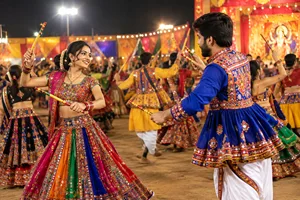
In Gujarat and parts of Maharashtra, Diwali is associated with Lakshmi Puja, business-related rituals, festive food, and new beginnings. Gujarati communities may also observe Bestu Varas, the Gujarati New Year, around this period.
In Maharashtra, the broader Diwali festivities include traditions such as Abhyanga Snan, faral (festive snacks), and family visits.
South India
In several South Indian communities, Naraka Chaturdashi is particularly prominent. Celebrations may include early morning oil baths, new clothes, special dishes, prayers, and the lighting of lamps.
Specific customs differ among Tamil, Telugu, Kannada, and other linguistic and cultural communities.
East India
In West Bengal and some neighboring regions, Kali Puja is an important observance that often coincides with the main Diwali night. Devotees worship Goddess Kali, and homes and temples are illuminated.
Other regional traditions and local deities may also be part of the festivities.
Nepal
In Nepal, the related festival of Tihar is celebrated over several days. Its traditions include honoring crows, dogs, cows, and oxen on designated days, as well as celebrating Lakshmi Puja and Bhai Tika.
Although Tihar shares cultural connections with Diwali, its sequence of rituals and regional customs are distinctive.
Diwali and Business: A Festival of New Beginnings
Diwali has significant economic importance in India. The festive season is an active period for retail, jewellery, clothing, electronics, home decoration, sweets, gifts, travel, and hospitality.
Many businesses launch seasonal offers, while consumers plan purchases and gift exchanges. For merchants and business families, the period may also mark an auspicious time to begin new accounts or celebrate a new financial year according to community traditions.
However, festival shopping does not have to mean excessive spending. Planning a budget, comparing prices, choosing useful gifts, and supporting local artisans can help families celebrate meaningfully without unnecessary financial pressure.
Environmental Awareness: How to Celebrate an Eco-Friendly Diwali
Diwali can be celebrated joyfully while reducing harm to the environment and surrounding communities.
1. Choose Low-Pollution Celebrations
Fireworks can contribute to air and noise pollution. Consider celebrating with diyas, music at a reasonable volume, community events, and family activities instead.
2. Use Diyas and Lights Responsibly
Traditional lamps and energy-efficient LED lights can create a festive atmosphere. Keep open flames away from curtains, paper decorations, children, and pets.
3. Avoid Excessive Plastic Decorations
Choose reusable decorations, natural flowers, cloth items, and durable lanterns instead of single-use plastic products.
4. Reduce Food Waste
Prepare food according to the number of guests, store leftovers safely, and share surplus food with neighbors or community organizations where appropriate.
5. Support Local Artisans
Buy handmade diyas, rangoli materials, decorative items, and locally produced gifts. This can support small businesses and traditional craftspeople.
6. Celebrate With Consideration for Others
Keep in mind the needs of infants, older people, individuals sensitive to loud sounds, and animals. Follow local rules concerning fireworks, fire safety, and public celebrations.
An environmentally responsible Diwali preserves the spirit of the festival while showing care for the community and nature.
Safety Tips for Diwali Celebrations
Safety should remain a priority during the festive season.
Keep candles and diyas on stable, heat-resistant surfaces.
Never leave burning lamps unattended.
Keep children away from matches, lighters, and fireworks.
Follow local laws and safety instructions for any permitted fireworks.
Keep water or an appropriate fire extinguisher available when using open flames.
Wear suitable footwear and avoid loose, highly flammable clothing near flames.
Keep pets indoors in a calm, secure area if celebrations outside are noisy.
Avoid driving after consuming alcohol and remain alert around crowded streets.
Dispose of used fireworks and other waste only after they have cooled completely and in accordance with local safety guidance.
Careful preparation helps ensure that the festival remains a happy occasion for everyone.
The Spiritual Message of Diwali
Beyond decorations, gifts, and celebrations, Diwali offers an opportunity for spiritual reflection.
The lighting of a lamp can be understood as a reminder to cultivate wisdom, kindness, honesty, and compassion. The cleaning of the home can symbolize the desire to remove negativity from one's thoughts and actions. Sharing food and gifts can encourage generosity, while family gatherings can strengthen relationships.
The stories associated with Diwali also remind people to stand against injustice, value truth, respect different traditions, and act with responsibility.
The festival's deeper message is that meaningful change begins with individual actions. Even small acts of kindness, forgiveness, and service can bring light into other people's lives.
Frequently Asked Questions About Diwali
1. What is Diwali?
Diwali, also known as Deepavali, is a major Indian festival celebrated as the Festival of Lights. It symbolizes the victory of light over darkness and good over evil.
2. When is Diwali in 2026?
The main Diwali celebration is expected on Sunday, 8 November 2026. Check a local Panchang for the precise Lakshmi Puja muhurat.
3. Why is Diwali celebrated?
Diwali is celebrated for different religious and cultural reasons. In a widely known Hindu tradition, it commemorates Lord Rama's return to Ayodhya after defeating Ravana. It is also associated with Goddess Lakshmi, Lord Krishna's defeat of Narakasura, and other regional traditions.
4. Why do people light diyas on Diwali?
Diyas symbolize light, hope, knowledge, purity, and the triumph of good over evil. Lighting them is one of the festival's most recognizable traditions.
5. Which gods are worshipped during Diwali?
Goddess Lakshmi and Lord Ganesha are commonly worshipped during the main Diwali evening. Other deities may be honored according to regional and family traditions.
6. What are the five days of Diwali?
The commonly recognized five days are Dhanteras, Naraka Chaturdashi or Choti Diwali, the main Diwali or Lakshmi Puja, Govardhan Puja, and Bhai Dooj.
7. Is Diwali celebrated only by Hindus?
No. Diwali is also observed by Jain and Sikh communities, and by some Buddhist communities, including certain Newar Buddhist traditions. The historical and religious significance differs among these groups.
8. What is the difference between Diwali and Deepavali?
Both names refer to the Festival of Lights. Deepavali is derived from Sanskrit, while Diwali is a widely used shortened form. Regional pronunciation and usage vary.
9. What is the significance of Lakshmi Puja?
Lakshmi Puja is performed to seek blessings for prosperity, abundance, happiness, and well-being. Lord Ganesha is commonly worshipped alongside Goddess Lakshmi.
10. How can Diwali be celebrated in an eco-friendly way?
People can reduce fireworks, use energy-efficient lights, choose reusable decorations, avoid food waste, support local artisans, and follow fire-safety and local environmental rules.
Conclusion
Diwali is much more than a festival of lights. It is a celebration of faith, family, prosperity, kindness, and the enduring hope that goodness can overcome darkness.
From the lighting of diyas and performing Lakshmi Puja to sharing sweets, exchanging gifts, and observing regional traditions, each part of Diwali carries a message of unity and renewal.
As Diwali 2026 approaches, people can honor the festival's rich heritage while embracing safer, more inclusive, and environmentally responsible celebrations. The true spirit of Diwali lies not only in illuminating homes but also in spreading happiness, compassion, and positivity in the lives of others.
Comments
0